
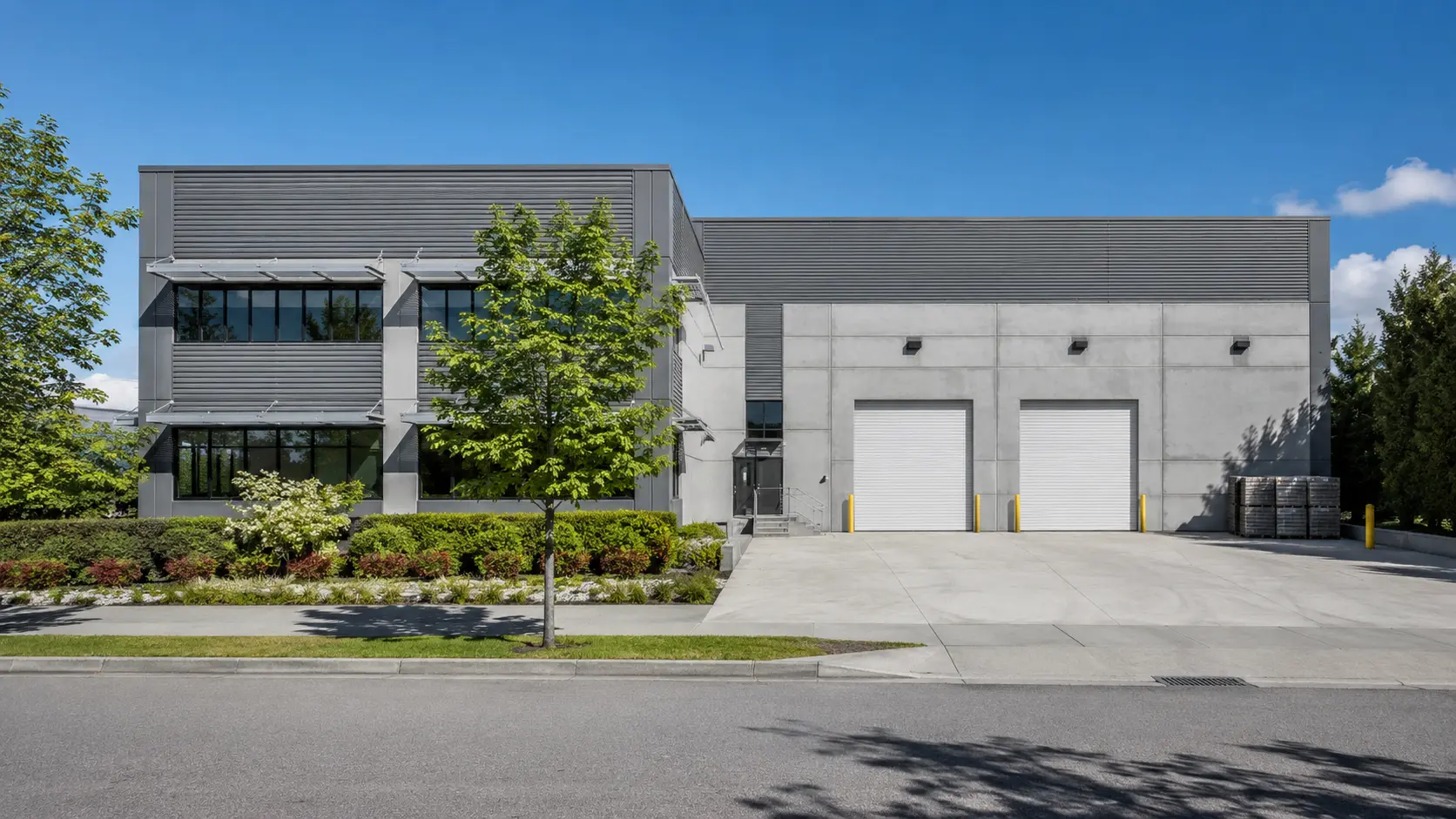
Commercial Property Management Case Study | 8,000 SF Standalone Commercial Building
By Dmitri Dudchenko, PREC
Principal, Rain City Property Management
With over 25 years of experience in real estate across Metro Vancouver, Dmitri specializes in helping owners of commercial properties and small-to-medium portfolios reduce administrative burden, improve financial clarity, and ensure properties are operated in accordance with their lease obligations.
The Problem
A Metro Vancouver commercial property owner contacted Rain City Property Management for assistance with tenant reconciliations and operating expense recoveries for a 8,000-square-foot standalone commercial building.
After reviewing the lease and day-to-day operations, we identified a common issue we frequently see in self-managed commercial properties: the landlord was managing responsibilities that already belonged to the tenant under the lease.
The landlord was still administering:
- Three BC Hydro accounts
- Three FortisBC accounts
- Garbage collection services
- Elevator maintenance administration
- Operating expense recoveries and reconciliations
Although many of these costs were ultimately recoverable from the tenant, the landlord was still spending time receiving invoices, making payments, tracking costs, preparing bill-backs, and reconciling accounts.
The lease assigned much of this responsibility to the tenant. The administrative burden remained with the landlord.
Key Findings
Tenant Responsibilities Were Being Administered by the Landlord
The lease assigned responsibility for several operating costs and services to the tenant.
However, the landlord continued receiving invoices, making payments, tracking costs, preparing recoveries, and coordinating vendors.
This created unnecessary administrative work and made ownership more time-consuming than necessary.
Utility Administration Was Creating Ongoing Work
The landlord was managing:
- Three BC Hydro accounts
- Three FortisBC accounts
Even when these costs were recovered, the owner still had to process invoices, record transactions, track reimbursements, and reconcile accounts.
Service Contracts Were Being Managed by the Wrong Party
The landlord was also administering:
- Garbage collection services
- Elevator maintenance services
These responsibilities could be handled directly by the tenant under the lease.
Recoveries Required Review
A review of two years of operating expenses identified recoverable costs that had been overlooked or not fully recovered.
The reconciliation process also required better structure and documentation to support future recoveries.
Actions Taken
Rain City Property Management completed a detailed lease review and operating expense analysis.
We then worked with ownership and the tenant to align operations with the lease requirements.
The following responsibilities were transferred to the tenant:
Utilities
- Three BC Hydro accounts
- Three FortisBC accounts
Building Services
- Garbage collection administration
- Elevator maintenance administration
We also reviewed two years of operating expenses, identified overlooked recoveries, and prepared professional reconciliation statements supported by clear documentation.
Before and After
Utility accounts
Before: Landlord managing six utility accounts
After: Tenant responsible for utility accounts under the lease
Garbage collection
Before: Landlord administering garbage collection
After: Tenant administering garbage collection
Elevator maintenance
Before: Landlord coordinating elevator maintenance
After: Tenant administering elevator maintenance
Administrative workload
Before: Monthly utility bill-backs and reimbursement tracking
After: Significantly reduced administrative workload
Financial reporting
Before: Tenant expenses flowing through landlord accounts
After: Cleaner financial reporting
Reconciliations
Before: Uncertainty around some recoveries
After: Structured and documented reconciliation process
Results
The most significant result was not additional recoveries.
The most significant result was eliminating administrative work that should never have been performed by the landlord in the first place.
The owner no longer manages utility accounts that belong to the tenant.
The owner no longer administers garbage collection services assigned to the tenant.
The owner no longer coordinates elevator maintenance obligations assigned to the tenant.
The owner no longer spends time preparing recurring utility bill-backs and reimbursement calculations.
Financial reporting became substantially cleaner because tenant expenses no longer flowed through the landlord's accounts before reimbursement.
The owner gained a clearer understanding of:
- Actual rental income
- Actual landlord expenses
- Property cash flow
- Property performance
The review also identified previously overlooked recoverable expenses and improved the accuracy and transparency of future reconciliations.
Most importantly, the owner gained confidence that the property was finally being operated according to the lease.
An Additional Benefit
The lease allowed property management costs to be recovered from the tenant.
As a result, the owner gained professional lease administration, reconciliation support, operating expense oversight, financial review, and ongoing management without creating a significant new unrecoverable expense.
Key Observation for Commercial Property Owners
One of the most common issues we encounter with self-managed commercial properties is not under-recovery of expenses.
It is landlords continuing to administer responsibilities that already belong to the tenant under the lease.
Many owners focus on whether a cost can be recovered.
A more important question is whether the landlord should be administering that cost at all.
In this case, the lease already assigned responsibility for utilities, garbage collection, and certain building services to the tenant.
By aligning operations with the lease, the owner reduced administrative workload, simplified financial reporting, improved lease compliance, and gained a clearer understanding of the property's financial performance.
Frequently Asked Questions
Should a landlord manage utility accounts under a Triple-Net lease?
In many Triple-Net leases, utility accounts serving the tenant's premises are the tenant's responsibility. Where permitted by the utility provider and lease structure, transferring utility accounts directly to the tenant can reduce administrative work, simplify accounting, and eliminate the need for recurring utility bill-backs.
Who pays for garbage collection under a Triple-Net lease?
In many Triple-Net leases, garbage collection costs and administration are the tenant's responsibility. The specific lease language should always be reviewed, but direct tenant responsibility is common, particularly in standalone commercial buildings.
Who is responsible for elevator maintenance under a Triple-Net lease?
It depends on the property and the lease structure.
In a single-tenant building, elevator maintenance is often the tenant's responsibility because the tenant is responsible for operating costs and maintenance associated with the entire building.
In a multi-tenant building, elevator maintenance is more commonly administered by the landlord and recovered through operating costs because the elevator serves multiple tenants and common areas.
The lease should always be reviewed to determine responsibility.
Can a property manager identify missed recoveries?
Yes. A lease review combined with a detailed operating expense analysis can often identify recoverable expenses that have been overlooked, incorrectly allocated, or not billed in accordance with the lease.
Can commercial property management fees be recovered from tenants?
In many commercial leases, yes.
Property management fees are commonly included as a recoverable operating expense and may be passed through to tenants as part of operating cost recoveries. The specific lease language should always be reviewed, but management fees are frequently recoverable in commercial properties.
The Takeaway
The lease already assigned many operating responsibilities to the tenant.
The landlord was still performing the administrative work.
By reviewing the lease, correcting operating procedures, simplifying expense administration, improving reconciliations, and identifying overlooked recoveries, Rain City Property Management helped the owner stop managing responsibilities that already belonged to the tenant.
The biggest win was not simply recovering additional expenses.
It was reducing workload, improving financial clarity, improving lease compliance, and bringing the property back into alignment with the Triple-Net lease.
In short, we helped the owner stop acting as the middleman and start operating the property the way the lease intended.